Pukekohe Longkeeper (late/storage)

$4.80/150 seeds

(Allium Cepa)

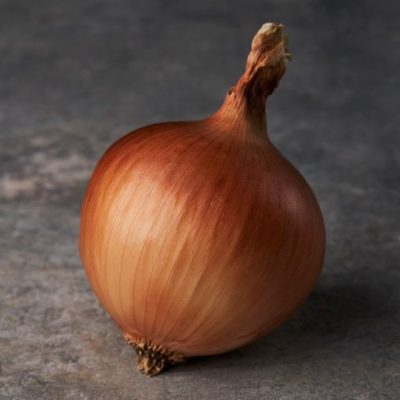
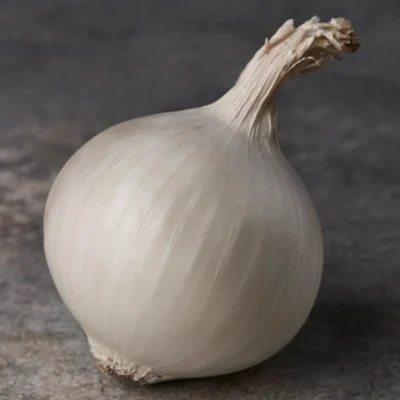
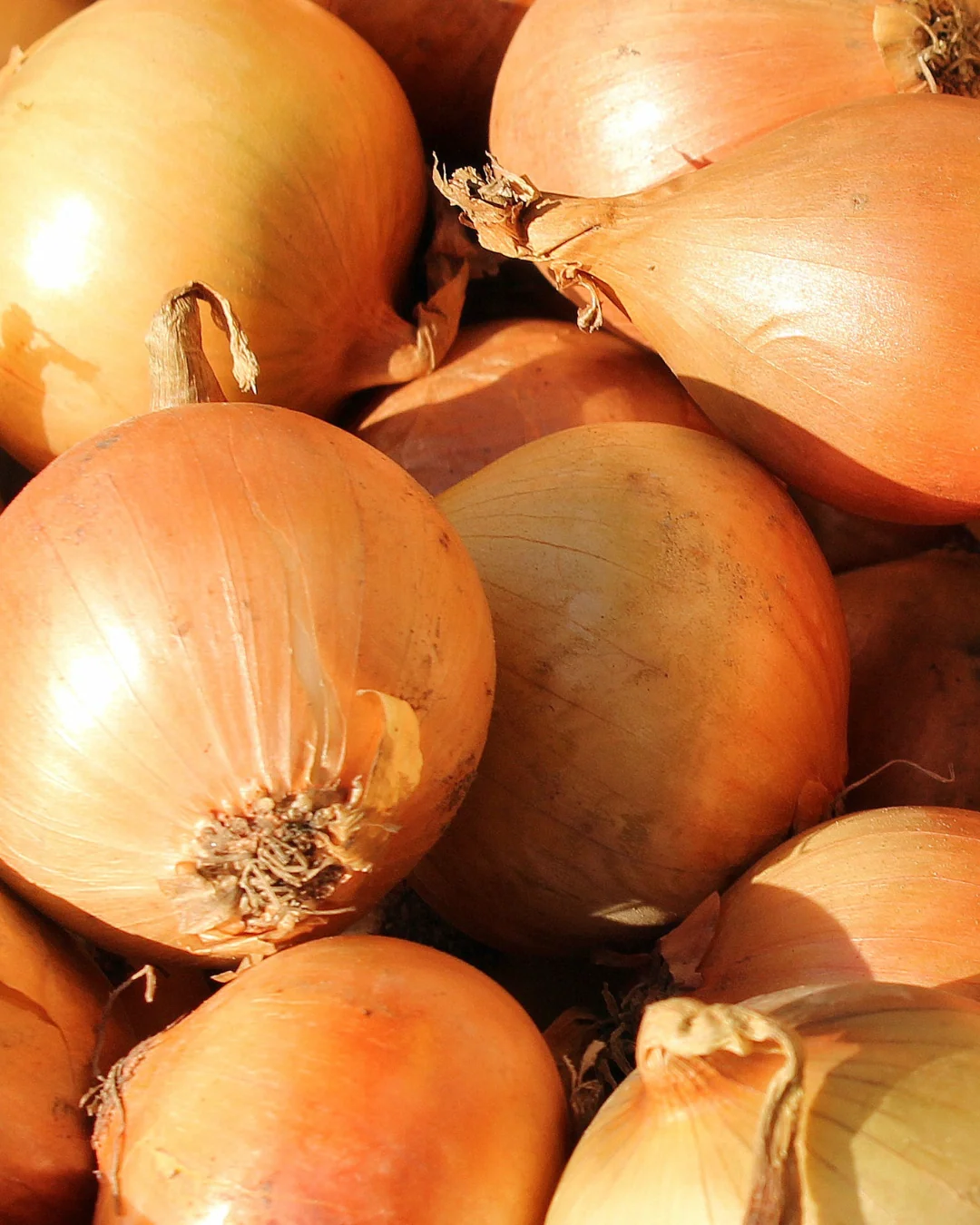
Pukekohe Longkeeper is one of the best long‑storage onions ever developed, famous across New Zealand and Australia for its exceptional keeping quality, hard bulbs, and reliable late‑season maturity. This traditional brown onion forms firm, globe‑shaped bulbs with tight golden skins that cure beautifully and store for many months.

Bred in the Pukekohe region of New Zealand, this variety thrives in cool climates and produces strong tops, dense bulbs, and outstanding uniformity. It’s the perfect onion for gardeners who want a true long‑keeper that will last well into winter without sprouting or softening.

If you want a tough, dependable onion for long‑term storage, Pukekohe Longkeeper is the benchmark.

Sow in late winter to early spring. Start seeds in trays and transplant when seedlings reach 10–15 cm tall

⭐ Quick Facts

  • Late‑season, long‑day onion with excellent storage
  • Hard, dense bulbs with tight golden skins
  • Outstanding keeping quality — stores for many months
  • Reliable yields and strong tops for curing

Companion Planting
• Good Neighbours: Carrot, Beetroot, Brassicas, Lettuce, Chamomile, Tomato, Parsley.  Onions help repel/deter pests. Also radish, silverbeet and spinach
• Bad Neighbours: Beans (inhibit growth), Peas, Sage, Asparagus, Items also from Onion family (can attract pests)

>>>Please see detailed growing instructions below.

In stock

Additional information

Additional information

When to sow

Autumn

How to Grow Onions
🌱 How to Grow Onions From Seed (in Tasmania - check local guide for other states) 1. Sowing Time (Critical for Tasmania) Onions are day‑length sensitive. In Tassie, timing is everything. Late winter–early spring (Aug–Sept): Best for brown and yellow storage onions like Gladalan Brown. Autumn (Mar–Apr): Works for overwintering varieties (e.g., Cream Gold, Early Lockyer types). Avoid mid-summer sowing: They’ll bolt. 🌱 2. Starting Seeds You can sow onions two ways: in trays or direct in the garden. Tray Sowing (best for uniform bulbs) Fill seed trays with a fine seed-raising mix. Sow seeds 5–10 mm deep. Keep moist but never soggy. Germination: 7–14 days. Grow seedlings until they’re 10–15 cm tall (about 6–8 weeks). Harden off for a week before planting out. Direct Sowing Only do this if your soil is fine and weed-free. Sow thinly in rows. Thin seedlings to 10 cm apart once they’re pencil-thick. 🌱 3. Planting Out Onions hate competition and shade. Spacing: 10–15 cm between plants, 30 cm between rows. Soil: loose, friable, well-drained, slightly alkaline. Add: compost + a sprinkle of blood & bone. Avoid: fresh manure (causes thick necks and poor bulbs). 🌱 4. Growing On Onions are slow but steady. Water deeply once a week. Keep weed-free — onions cannot compete. Feed lightly with a nitrogen source early on (e.g., Seasol + PowerFeed). Stop nitrogen once bulbs begin swelling. 🌱 5. Bulb Formation You’ll see bulbs start to swell when: Days get longer Plants reach maturity Soil stays consistently moist Don’t mulch heavily — it can keep bulbs too damp. 🌱 6. Harvesting You’ll know they’re ready when: Tops fall over naturally Neck softens Bulbs have coloured skins Let them sit in the sun for 2–3 days, then cure undercover for 3 -4 weeks. 🌱 7. Storage Brown onions store extremely well. Keep in a cool, dry, airy place. Remove any with thick necks — they won’t store.